
Derek Struchtemeyer, LPC
In-Network with Aetna, BCBS, Cigna, Humana, Tricare, UHC & Medicare
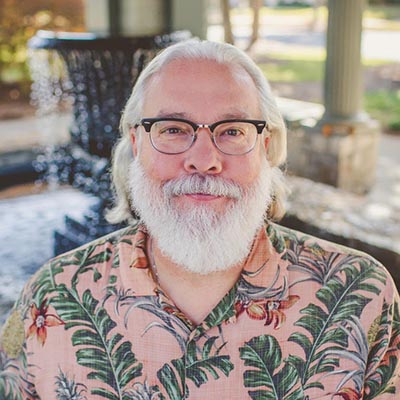
Seeking help for problems affecting your functioning, moods, family, and life can be challenging. Yet and still, deciding to address these issues can have life-changing benefits. Whether it’s depression, anxiety, relationship issues, stress, parenting challenges, coping skills, or grief, professional counseling can help.
I have over 20 years of clinical experience as a Licensed Professional Counselor helping children, adolescents, couples, and individuals. And I am confident of the support I can offer you and your loved ones to facilitate personal change. My experience as a therapist with church-affiliated counseling centers allows me to bring into therapy as much or as little faith-based discussion as a client prefers. Additionally, I am trained in Gottman Method Couples Therapy, the “gold standard” in marital therapy.
Through professional, confidential, and effective counseling, together, we can unravel and resolve the issues and challenges you face. My ultimate hope for you is to find healing, balance, peace, and a sense of well-being.
I honor, respect, and recognize all humans’ inherent worth, dignity, and humanity regardless of race, color, religion, gender, gender expression, immigration status, age, national origin, disability, marital status, sexual orientation, or military status. I do not discriminate in serving community members based on race, color, religion, gender, gender expression, immigration status, age, national origin, disability, marital status, sexual orientation, or military status.
Theoretical Orientation: Cognitive Behavioral Therapy (CBT), Gottman Method Couples Counseling, Dialectical Behavior Therapy. Seminars Offered: Gottman’s Seven Principles for Making Marriage Work (*trained Gottman Leader)Click here for licensure information.

What do all those initials mean following each therapist’s name?
CAP - Certified Addictions Professional
CPCS - Certified Professional Counselor Supervisor
CRC - Certified Rehabilitation Counselor
Ed.D. - Doctor of Education
LAPC - Licensed Associate Professional Counselor
LPC - Licensed Professional Counselor
NCC - National Certified Counselor
As your therapists, what are Canton Counseling’s goals for you?
Our goal is to provide a safe place to work through whatever is standing in the way of you being the best person you can be. We believe that while our clients are working hard, we are there to be people that challenges them to dig deeper and a cheerleader to give them the encouragement to continue to move forward.